Wiring
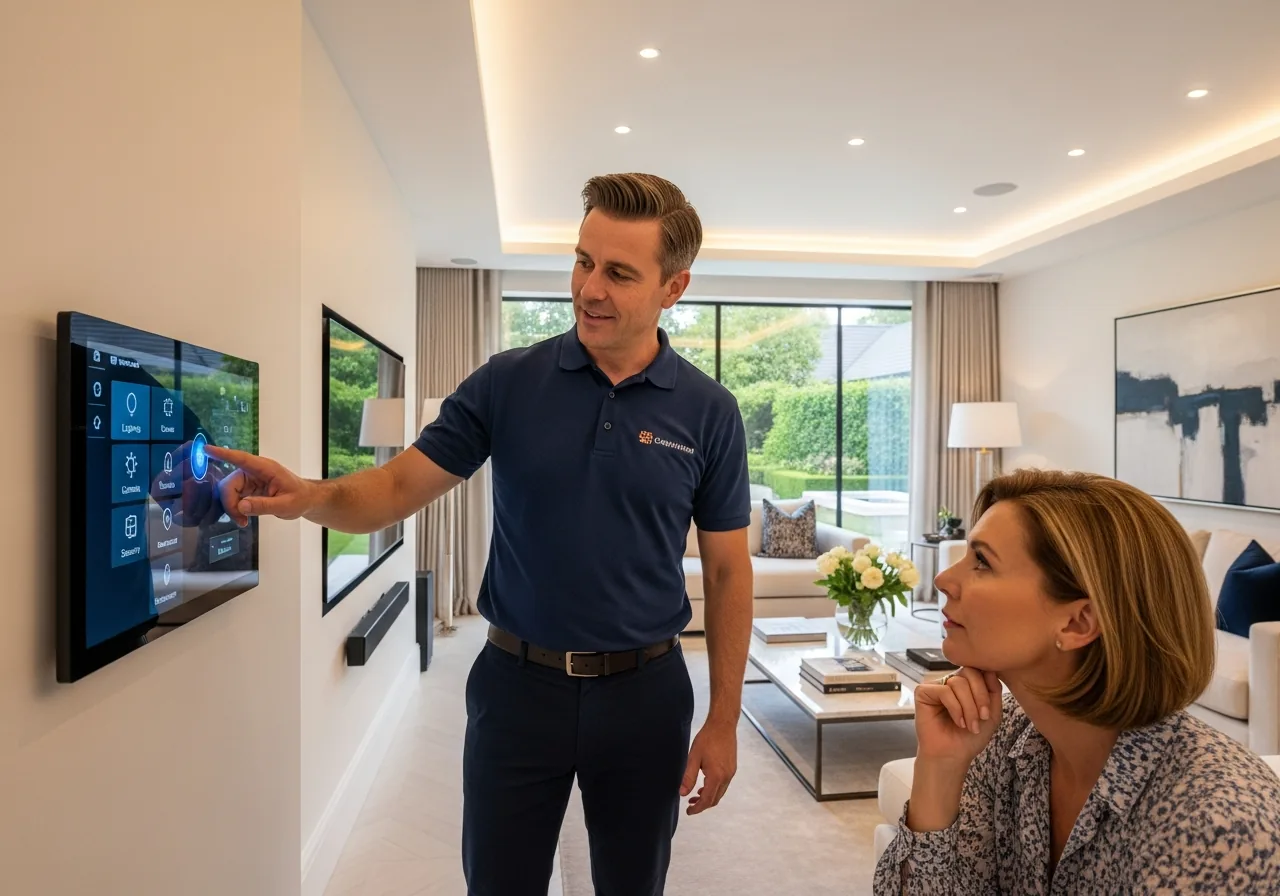
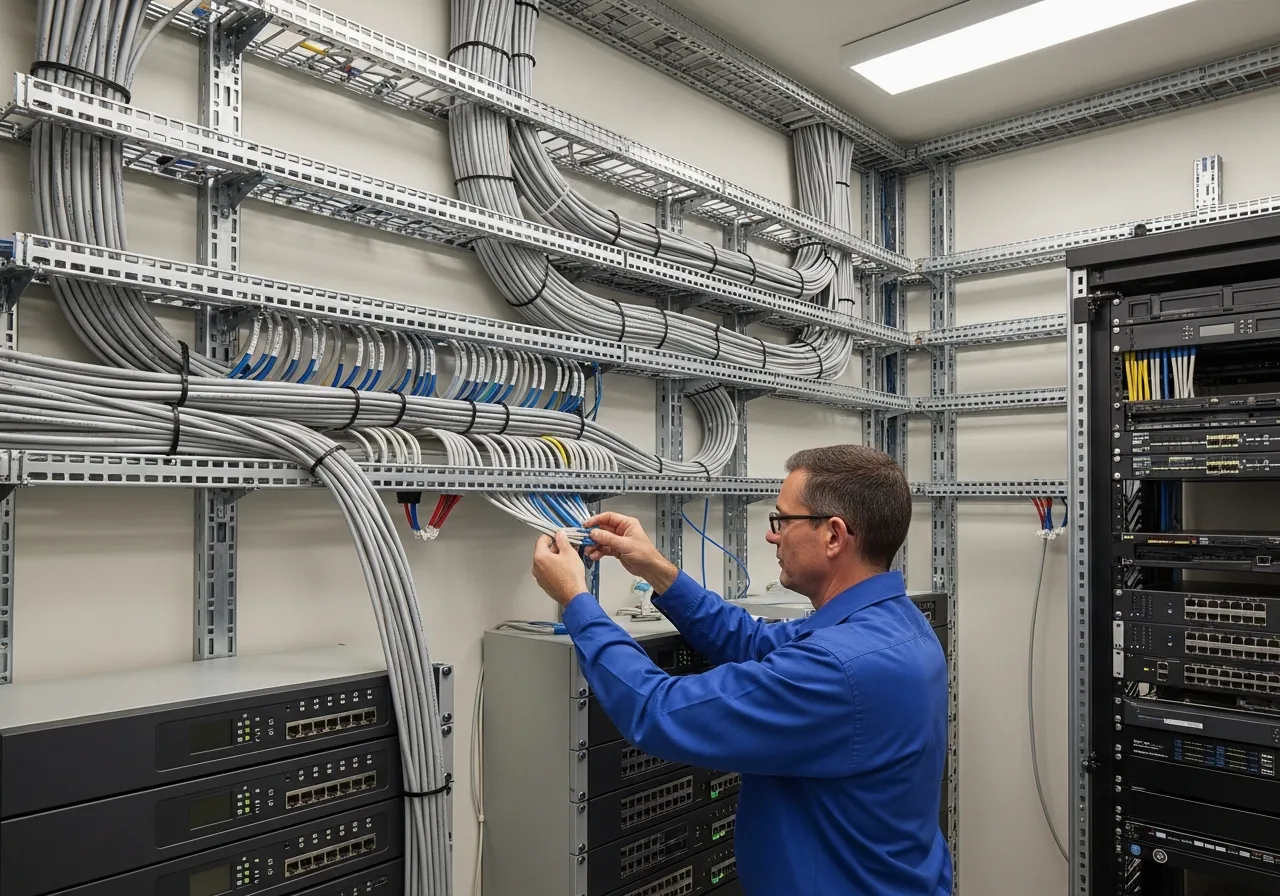
Professional infrastructure is the foundation of reliable smart home systems. LEXA's Infrastructure & Wiring service ensures your property has robust, future-proof cabling that will support technology for decades. Our certified technicians install Cat6A data cabling, fiber optics, coaxial for video, and specialized low-voltage wiring for Control4, Lutron, and audio systems. We follow international standards (TIA/EIA) and Dubai Municipality regulations, providing certified test reports for every cable run. Whether new construction or retrofit, we minimize disruption while maximizing performance—using wireless solutions where cabling isn't feasible, and structured cabling where reliability is critical.
Why Choose LEXA?
TIA Certified Technicians
All technicians hold BICSI and TIA certifications for structured cabling. We follow industry best practices ensuring maximum performance.
Fluke Certified Testing
Every data cable tested with Fluke analyzers. You receive detailed certification reports proving 10 Gigabit capability—essential for future-proofing.
Dubai Building Code Compliance
Intimate knowledge of Dubai Municipality requirements, EMAAR/Nakheel developer guidelines, and Civil Defense regulations. Zero installation failures at inspections.
Retrofit Specialists
Experts at installing cabling in occupied homes with minimal disruption. Strategic use of existing conduits, creative routing, and wireless alternatives where necessary.
Investment
AED 7,000
Timeline: 3-6 weeks depending on property size
See pricing guide · avoid hidden costs · warranty
What You Get
Structured Cabling
Future-proof Cat6A and fiber optic backbone for all smart systems.
- Cat6A Ethernet Runs
- Fiber Optic Backbone
- Speaker Wire Pre-Wire
- HDMI/HDBaseT Runs
Smart Pre-Wire
Pre-wire for all automation points during construction for clean, hidden installations.
- Lighting Control Wiring
- Motorized Shade Wiring
- Sensor & Keypad Points
- Camera Cable Runs
Testing & Certification
Every cable tested and certified to industry standards.
- Fluke Cable Testing
- Certification Reports
- Labeling & Documentation
- Warranty Coverage
Our Process
Infrastructure Planning & Design
Detailed cabling plan based on system design—determining optimal cable routes, conduit paths, equipment room locations, and access points. We coordinate with electrical contractors and structural engineers.
Pre-Wire Installation (New Construction)
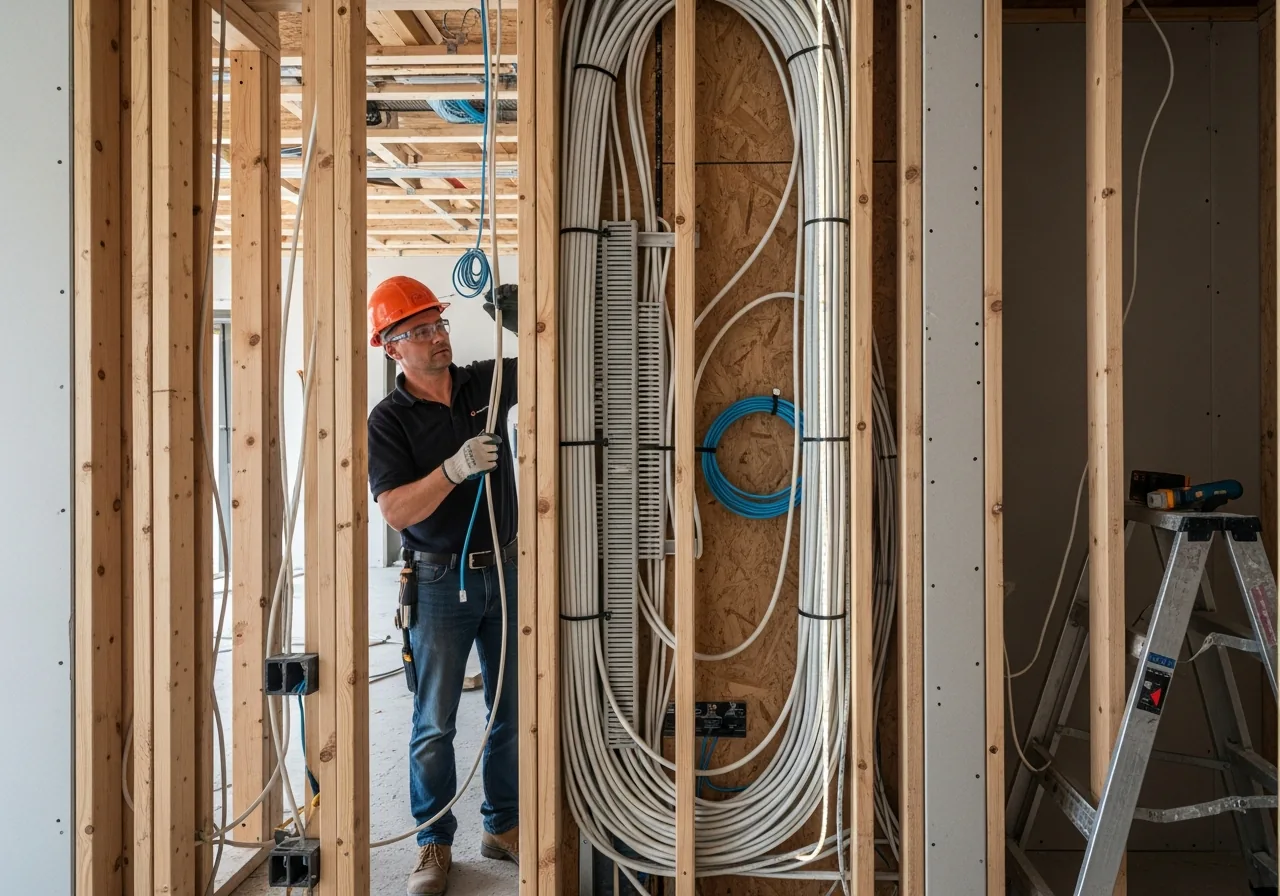
Installation during construction phase—running cables through walls, ceilings, and floors before drywall. Strategic conduit placement for future expansion. Coordination with other trades to avoid conflicts.
Termination & Testing
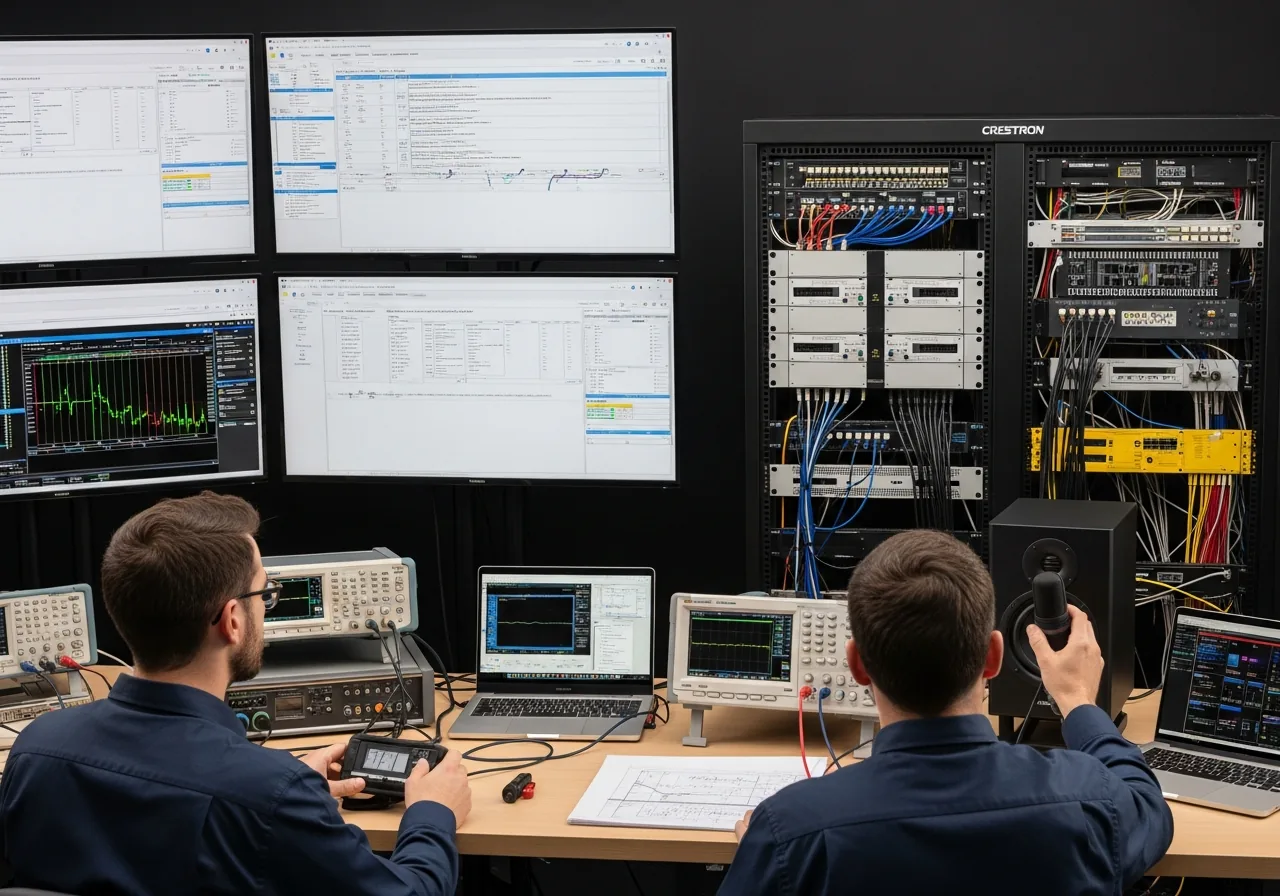
Professional termination of all cables at wall plates and equipment racks. Comprehensive testing with Fluke Network Analyzers ensuring every cable meets Cat6A/fiber specifications.
Equipment Room Setup
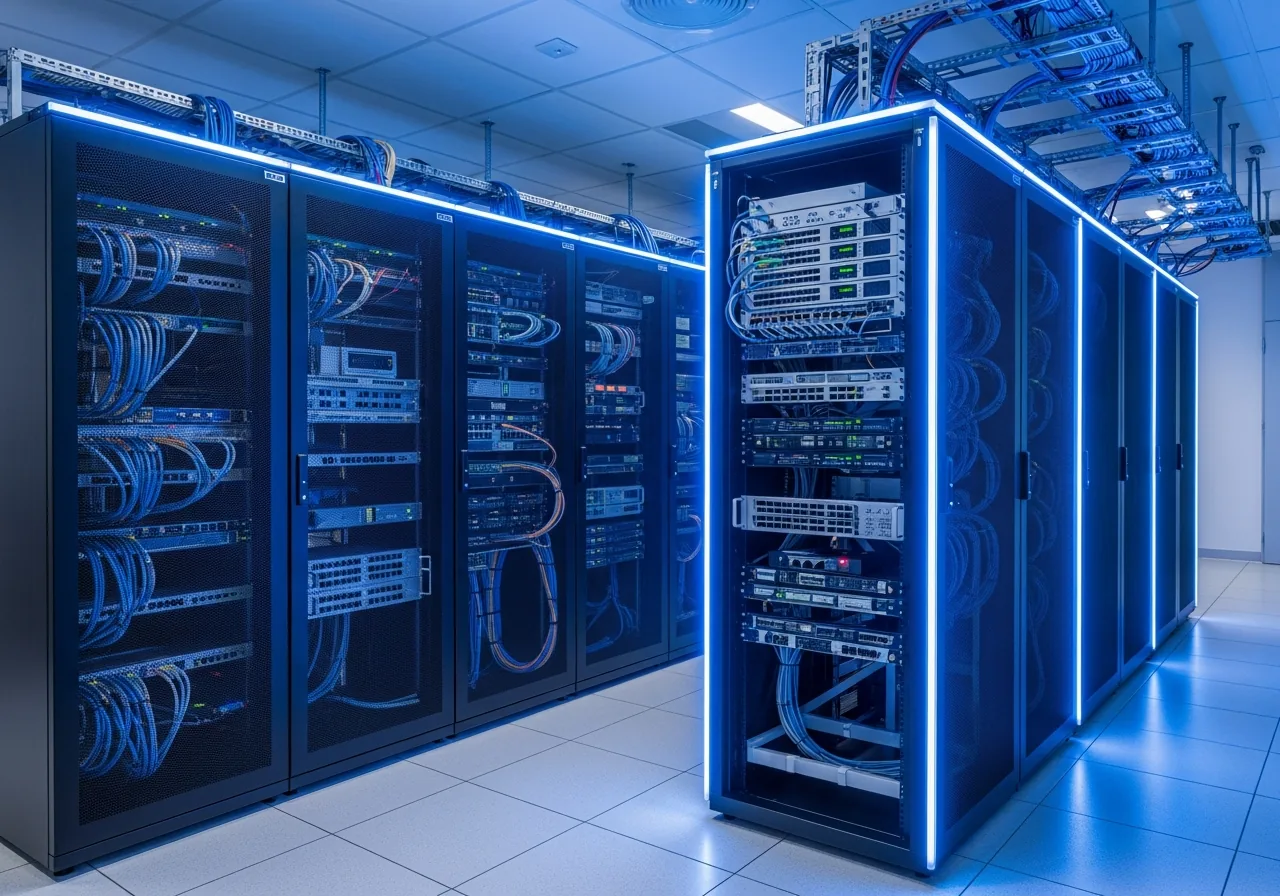
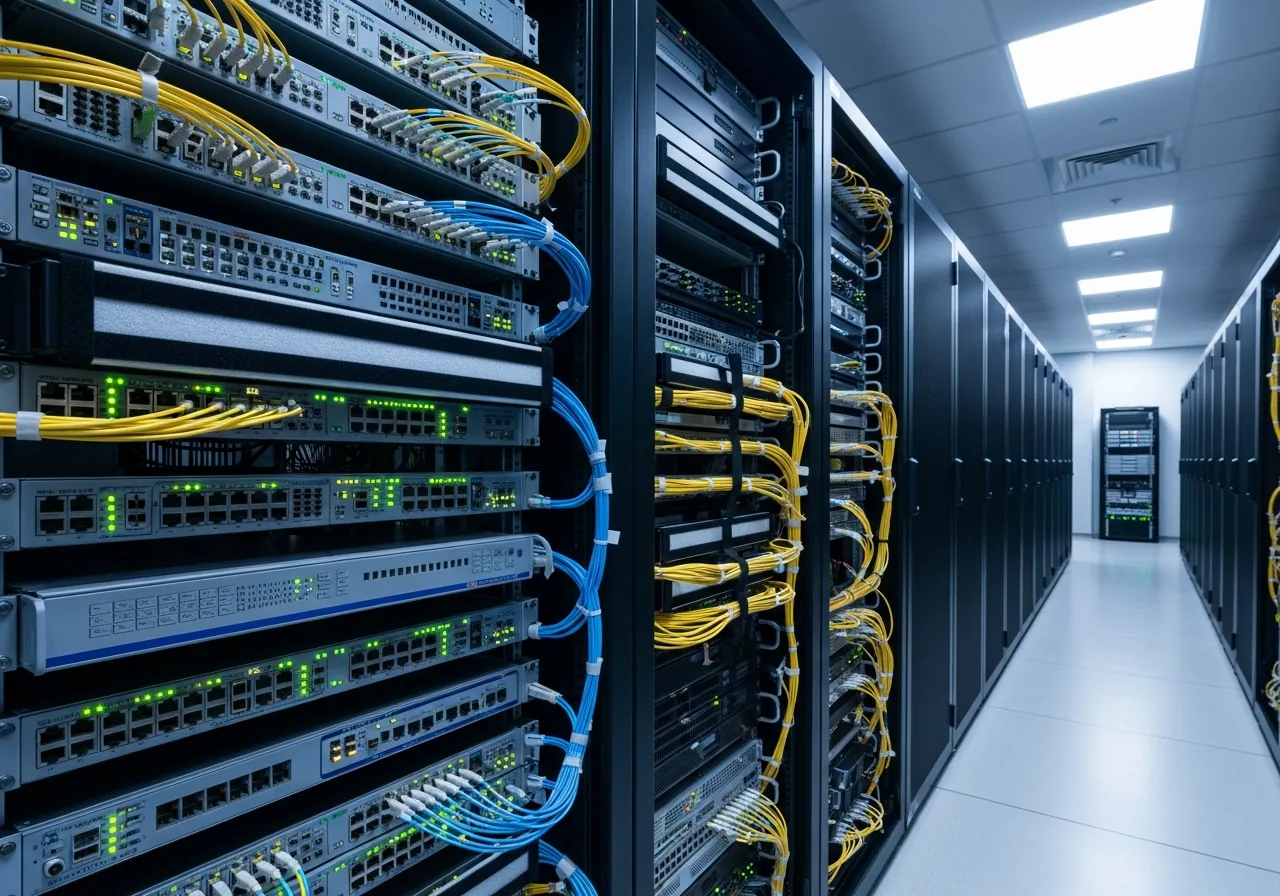
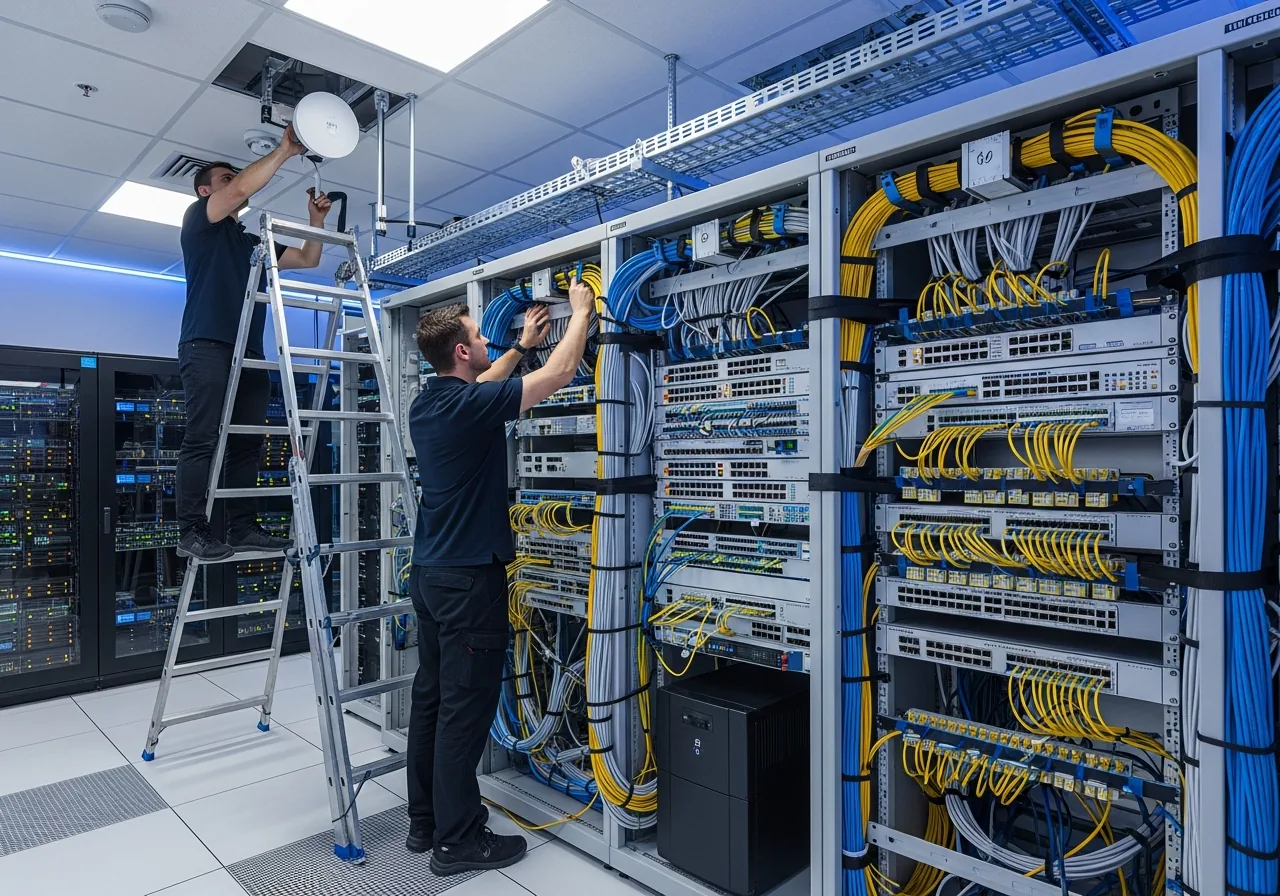
Installation of server racks, patch panels, network switches, UPS power, and cooling systems. Professional cable management ensuring maintainability and proper airflow.
Solutions We Deploy
Explore the smart systems and technologies we integrate as part of this service. View all solutions or browse our brand partners.

Inspirations
What You Receive
Frequently Asked Questions
Why is proper wiring important for smart homes?
Wiring is the foundation of any smart home. Proper infrastructure enables future expansion, ensures reliability, and prevents issues that are costly to fix post-construction. Smart homes require more cables than traditional homes - network, audio, video, control, and power circuits.
What type of cables are used in smart homes?
Common cables include: Cat6/Cat6a for networking, HDMI 2.1 for video, speaker cables (14-12 AWG), coaxial for TV distribution, low-voltage control cables, fiber optic for long runs, and specialized cables for intercoms and security. Quality cables ensure reliable performance.
When is the best time to install smart home wiring?
The best time is during construction before walls are closed, allowing full access for cable routing. For renovations, wiring should happen before painting and finishing. Adding infrastructure during construction costs 50-70% less than retrofitting later.
How do you handle wiring in existing homes?
For retrofits, we use: existing conduits where available, ceiling voids and wall cavities, surface-mounted trunking in utility areas, and wireless solutions where wiring isn't feasible. Creative routing minimizes visible cables while maximizing functionality.
What is structured cabling?
Structured cabling is a standardized approach to infrastructure - cables run from a central rack to wall outlets throughout the home in a star pattern. This provides flexibility, easy maintenance, and future-proofing. It's the professional standard for smart homes.
How many cables should run to each room?
Minimum recommendations per room: 2 network points, 1-2 HDMI points (for TV areas), speaker cables for audio zones, and conduits for future needs. Bedrooms need less; living areas and home offices need more. We customize based on planned usage.
What is a home run vs daisy chain wiring?
Home run (star topology) runs individual cables from each outlet to a central location - preferred for flexibility and performance. Daisy chain connects devices in series - simpler but limits future changes. We use home run wiring for critical systems.
Do you work with contractors and electricians?
Yes, we coordinate with your contractor and electrical team. We provide detailed drawings showing cable routes, outlet locations, and back-box requirements. On-site supervision during critical phases ensures proper installation to our specifications.
Let's Discuss Your Wiring Needs
Get a bespoke proposal from our engineering team. Free consultation with no obligation. Check our FAQ or read client testimonials.
Related Services
End-to-end support for your smart home journey