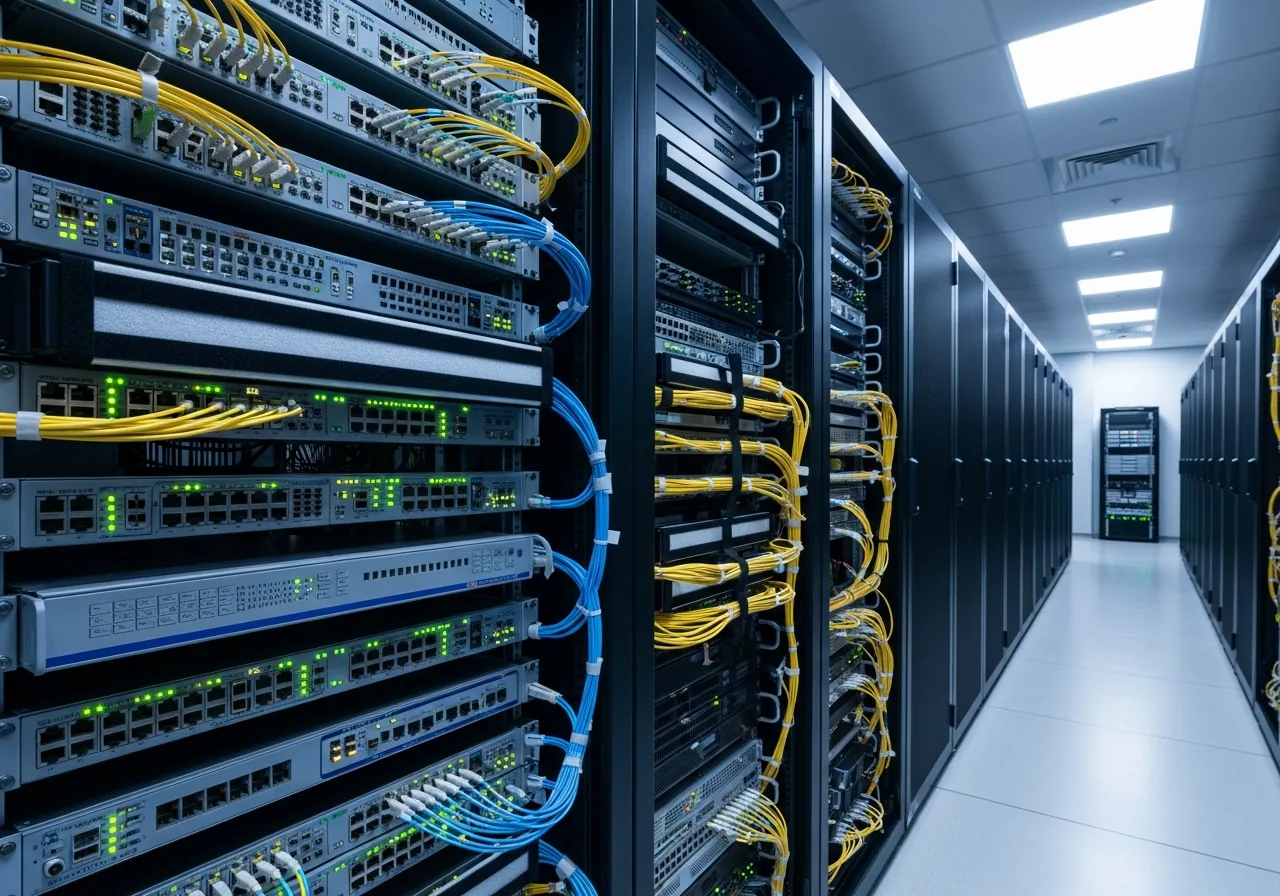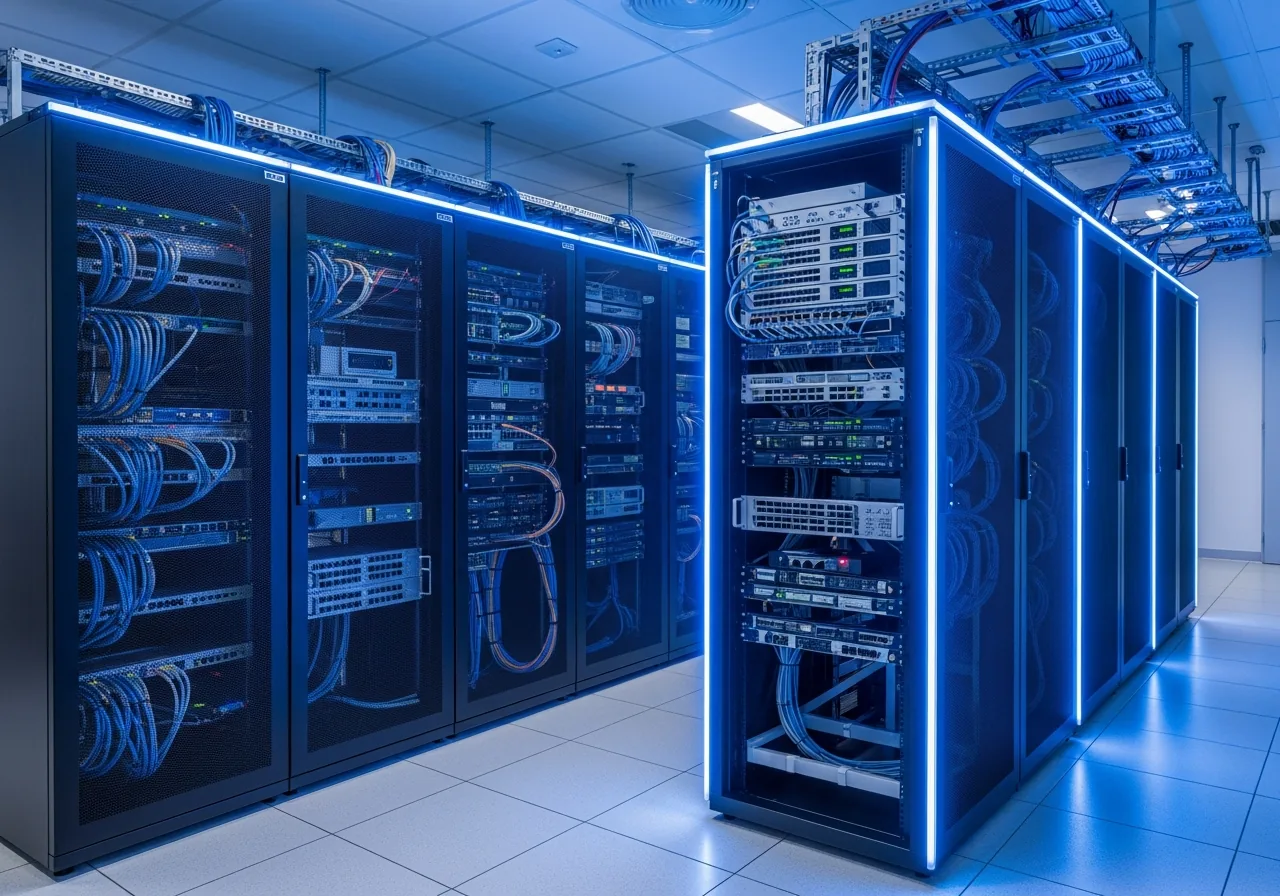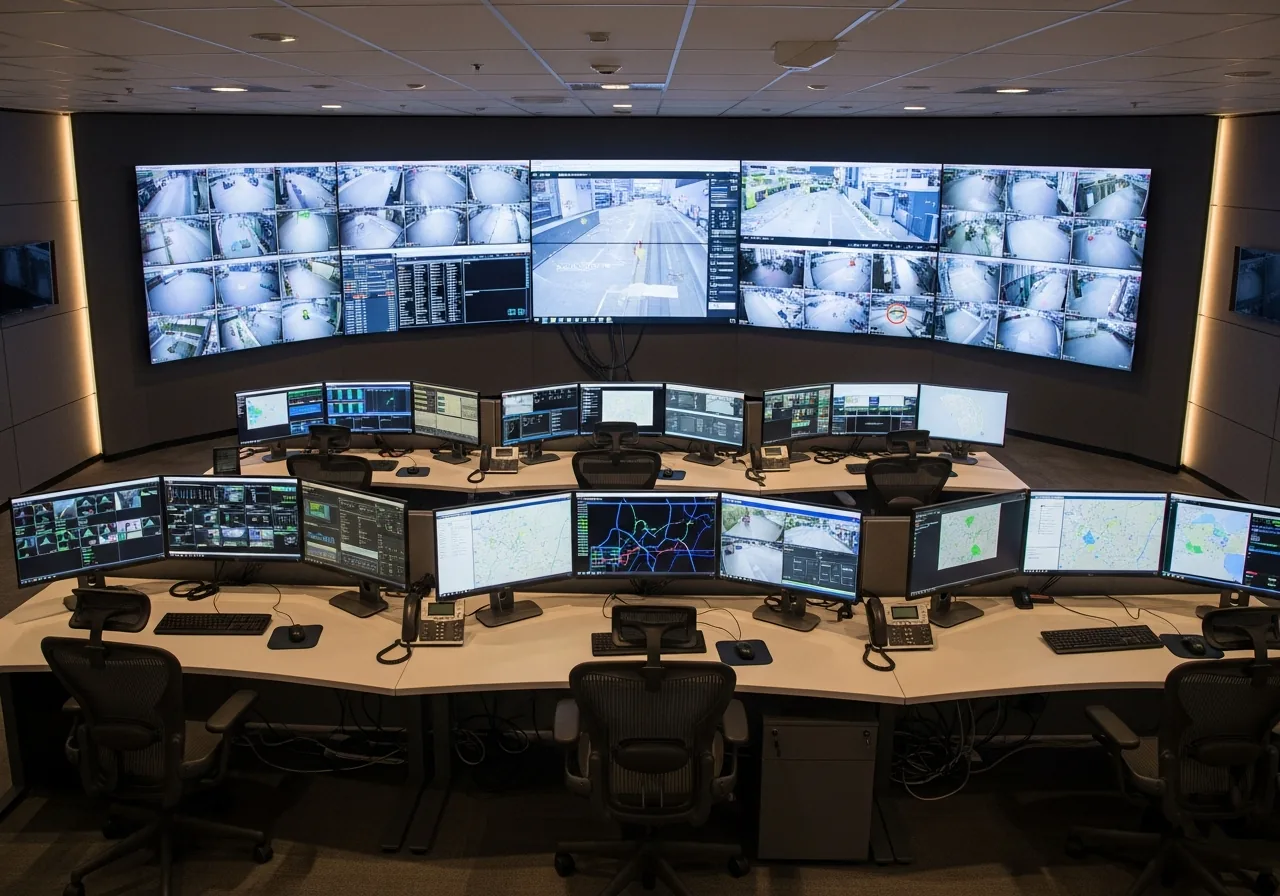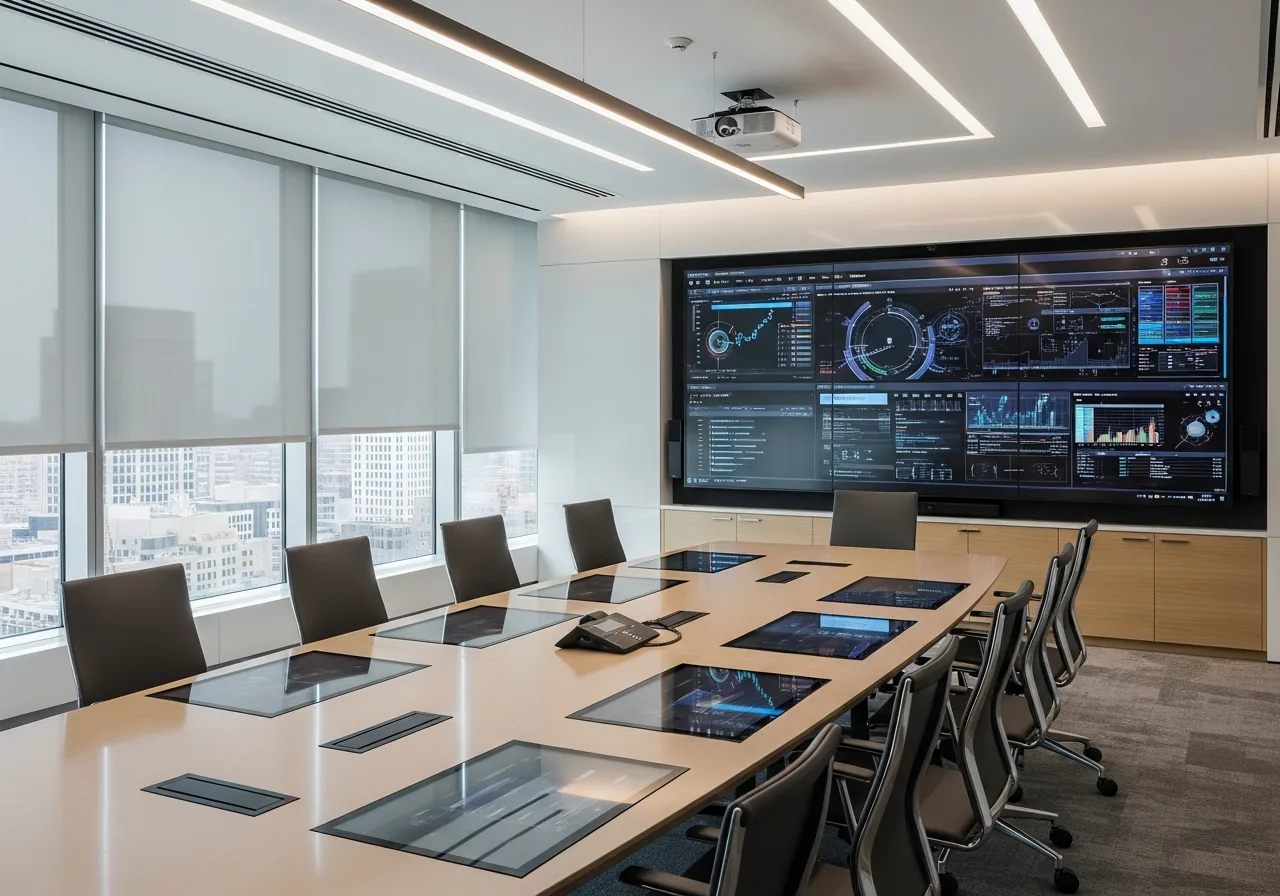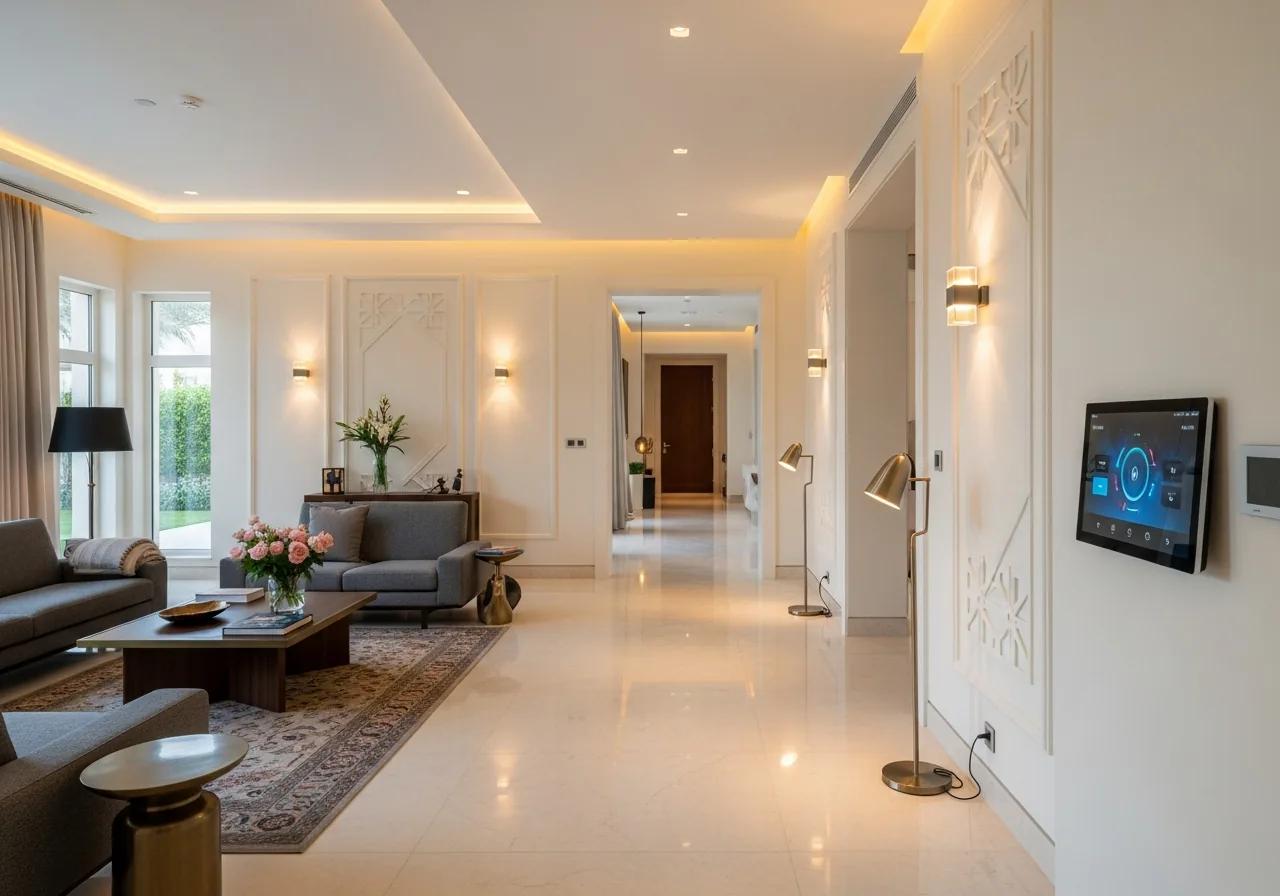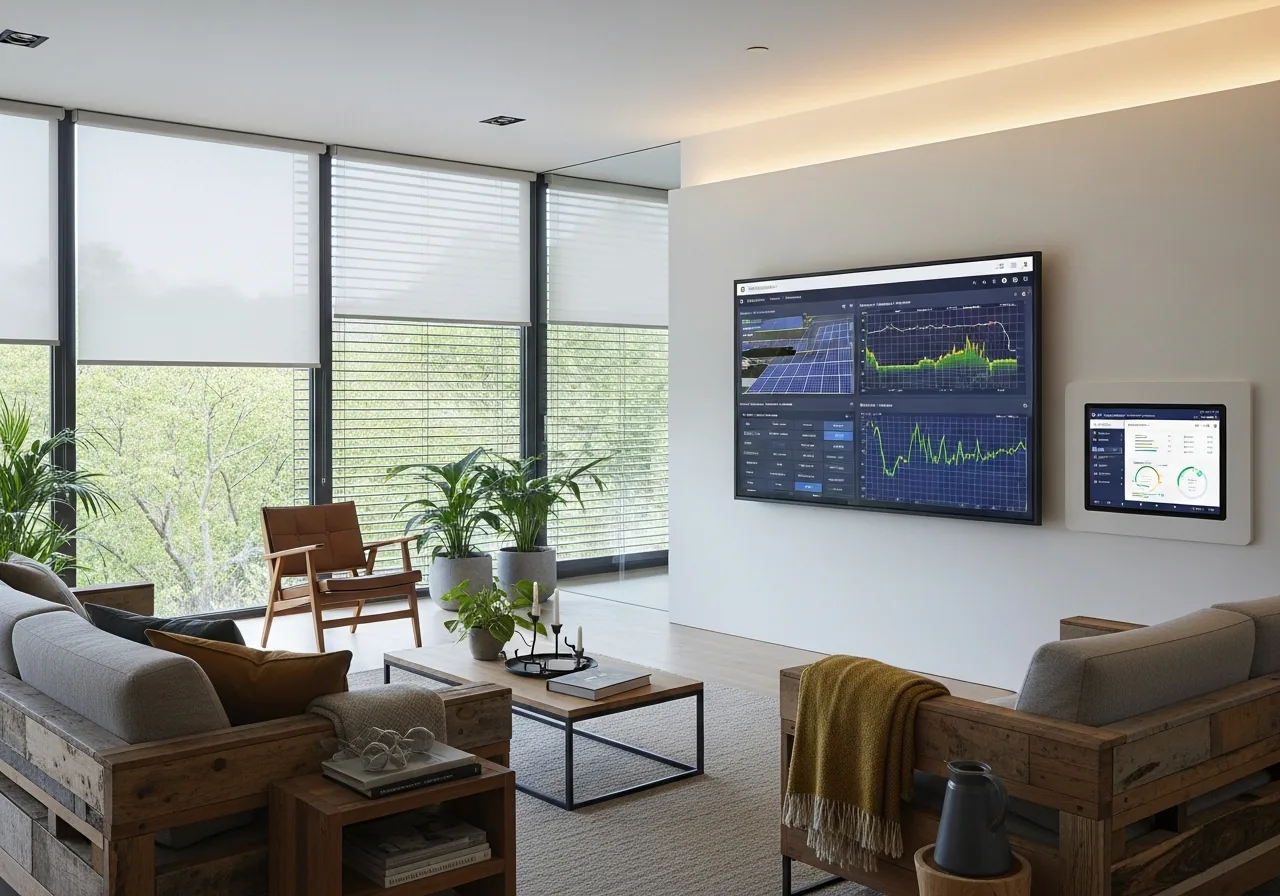
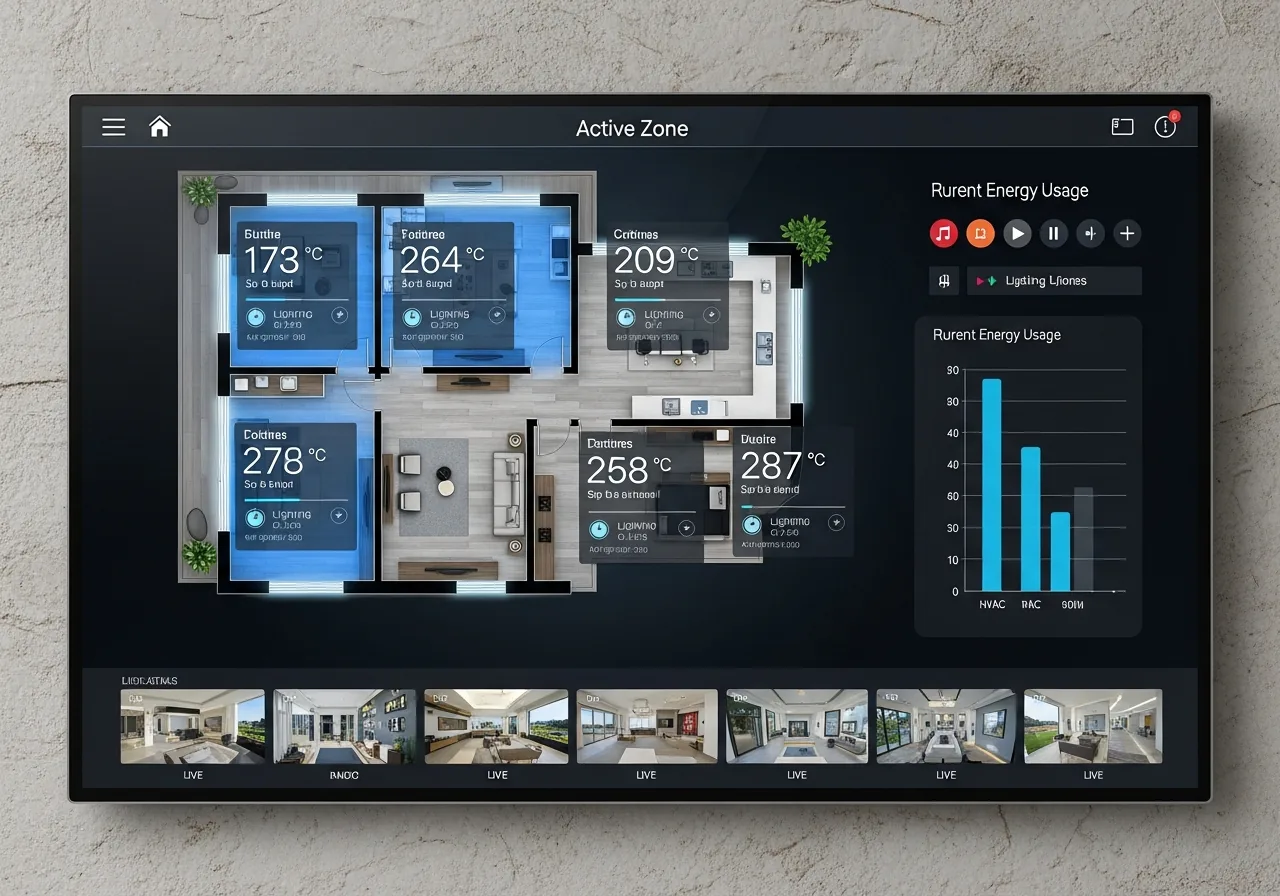
Smart home networking is the foundation of reliable automation. LEXA deploys professional networking infrastructure—ensuring Control4, Crestron, security cameras, smart thermostats, and entertainment systems communicate flawlessly. Managed switches, VLANs for security, QoS for streaming, and redundant internet connections guarantee uptime. Remote management allows troubleshooting and updates without site visits. Essential for large Dubai villas with 100+ smart devices.
Custom Design
Every system engineered for your exact space
Premium Brands
4+ certified technology partners
Full Integration
AV, lighting, climate, security — one system
UAE Expertise
10+ years in Dubai & Abu Dhabi projects
Explore the systems and technologies we integrate into smart home networking environments
We work exclusively with world-class AV and automation manufacturers
Modern smart home networking designs featuring the latest in smart technology
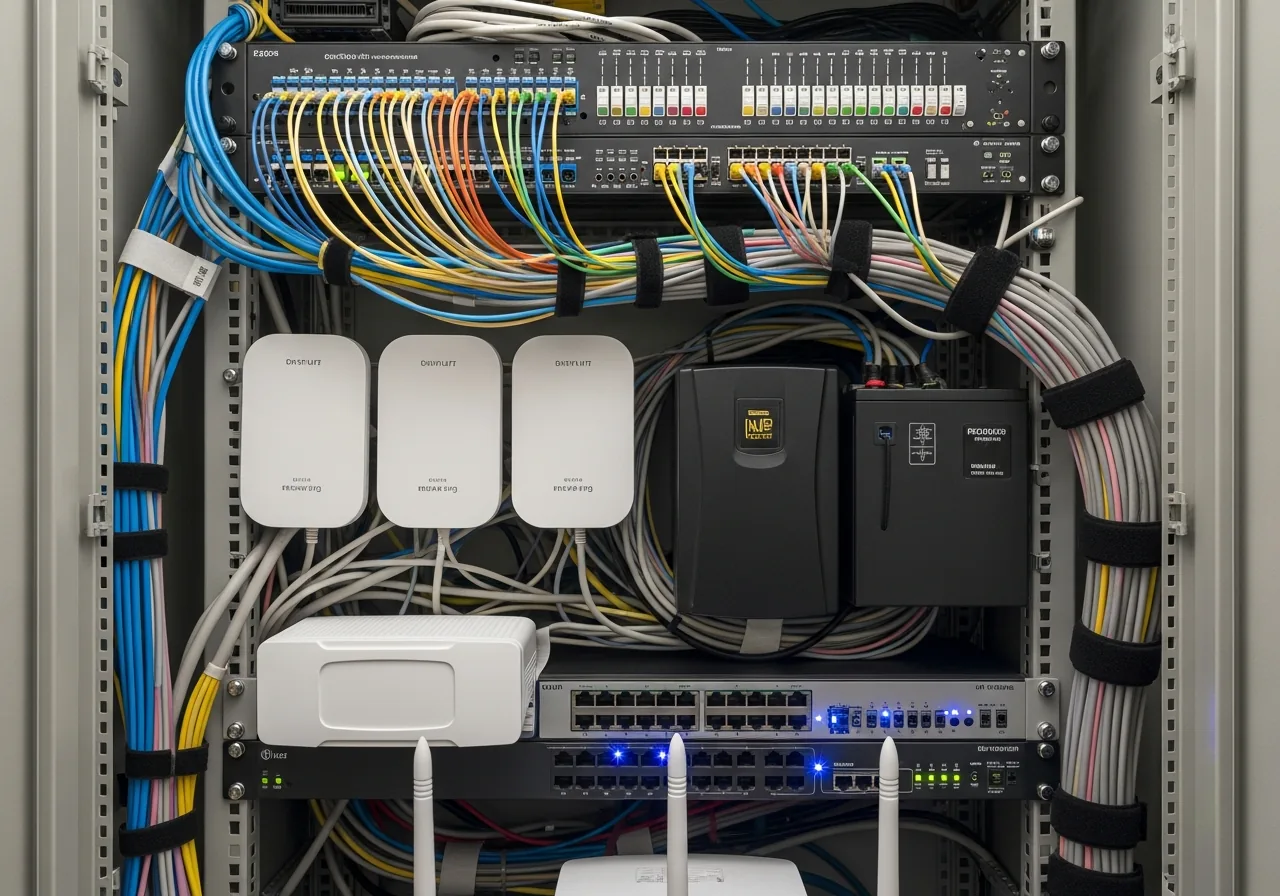
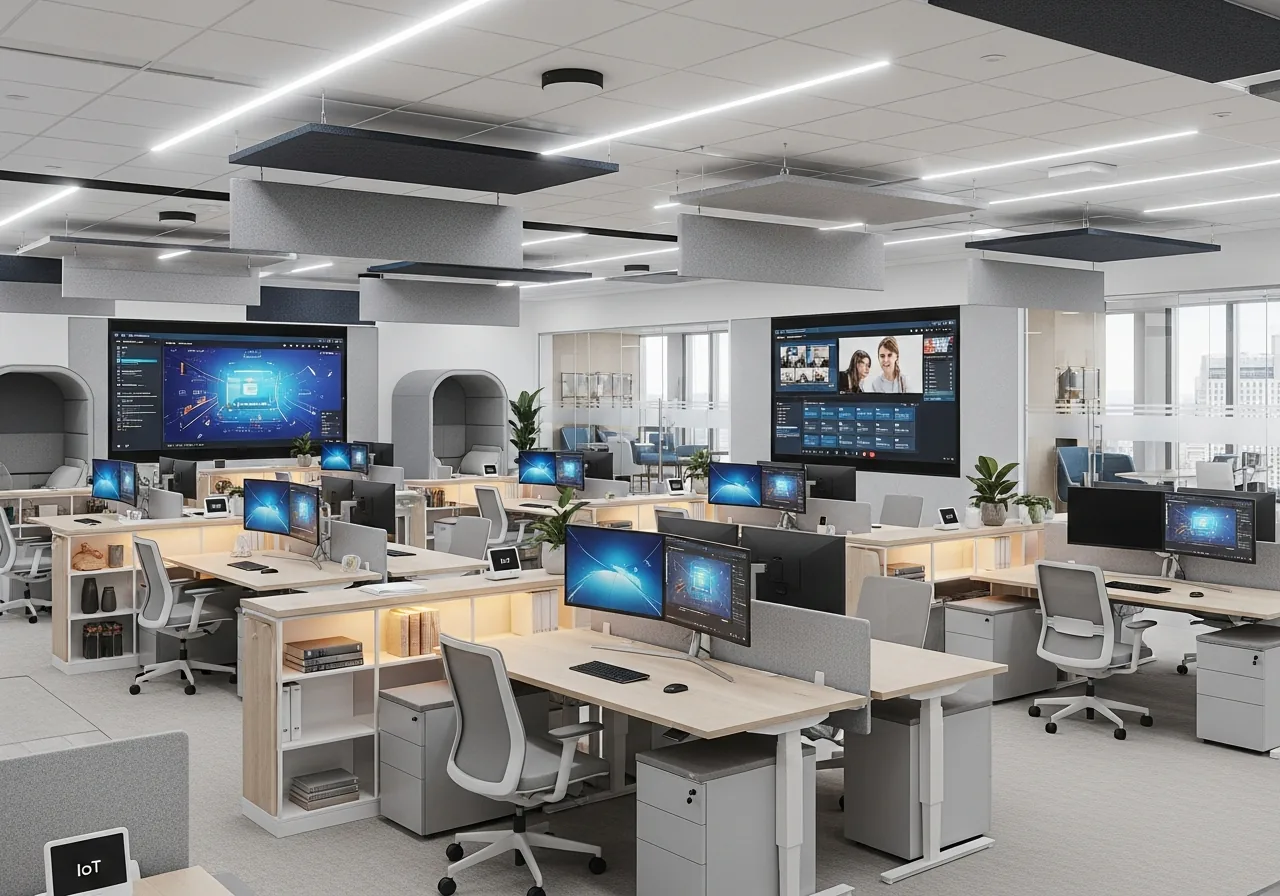
A smart home requires: structured cabling (Cat6/6a to each room), enterprise-grade WiFi access points, managed switches, a network rack, firewall/router, and UPS backup. This infrastructure supports all smart devices, streaming, security cameras, and automation systems reliably.
A network rack is a cabinet housing all networking equipment - router, switches, patch panels, NVR, and automation controllers. It keeps equipment organized, ventilated, and secured. Any home with structured cabling or multiple systems should have a dedicated rack, typically in a utility room.
Both support Gigabit speeds, but Cat6a supports 10 Gigabit over longer distances (100m vs 55m for Cat6) with better shielding against interference. For new construction, we recommend Cat6a for future-proofing. The cost difference is minimal compared to labor.
VLANs (Virtual LANs) segment your network into isolated sections. IoT devices, security cameras, guest WiFi, and personal devices each get their own VLAN. If one device is compromised, attackers can't access other network segments. It's essential security for homes with many smart devices.
Power over Ethernet (PoE) delivers electrical power through network cables, eliminating separate power supplies for devices like WiFi access points, cameras, and intercoms. It simplifies installation, allows centralized UPS backup, and enables remote device rebooting. Most smart home networks use PoE switches.
Yes, we can upgrade existing networks through various methods: replacing equipment with enterprise-grade, adding access points, running cables through accessible routes, or using retrofit solutions like MoCA. Full rewiring is possible during renovation but not always necessary.
Unmanaged switches simply connect devices - plug and play. Managed switches allow VLAN configuration, traffic prioritization (QoS), port monitoring, and security features. Smart homes should use managed switches for proper network segmentation and control.
Reliability comes from enterprise-grade equipment, redundant internet (primary + cellular backup), UPS power protection, proper ventilation, proactive monitoring, and regular maintenance. We design networks to maintain critical functions (security, automation) even during partial outages.
Discover complementary automation solutions for your space